Understanding Fiber Optic Trees
Fiber optic trees have become a popular choice for holiday decorations, marrying tradition with modern technology. These mesmerizing trees not only illuminate spaces but also add a touch of elegance and color to any festive setting. As we delve into the world of fiber optic trees, we will explore their unique characteristics, how they operate, and the numerous advantages they offer compared to traditional Christmas trees. When exploring options, fiber optic tree options can provide comprehensive insights into making the perfect choice for your holiday decor.
What is a Fiber Optic Tree?
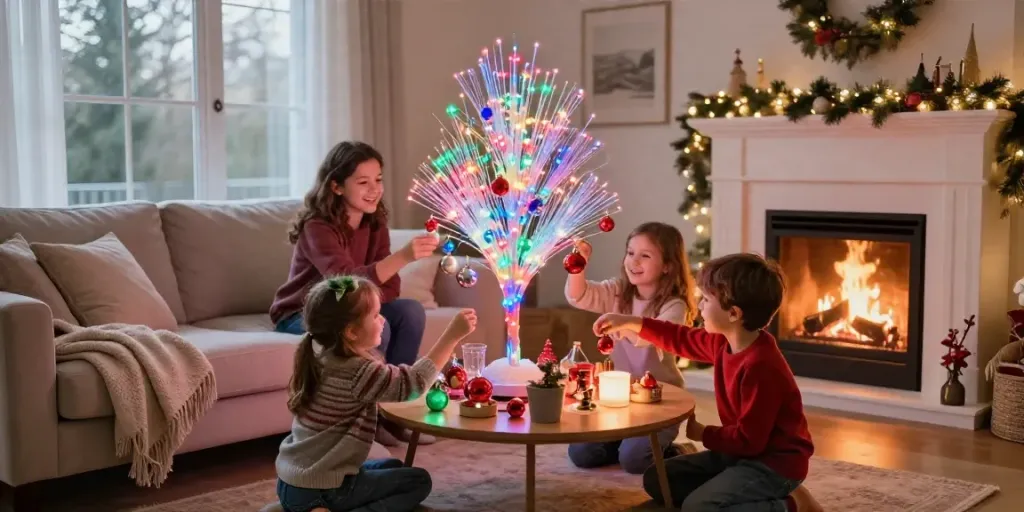
A fiber optic tree is an artificial Christmas tree that incorporates fiber optic technology to produce vibrant displays of light. The strands of fiber optics are woven into the branches of the tree, enabling them to emit colorful lights without the need for traditional bulbs. This leads to a softer, more diffused glow that creates a magical ambience, ideal for holiday celebrations.
How Fiber Optics Work in Christmas Trees
The technology behind fiber optic trees is both fascinating and simple. At the base of the tree is a light source, usually an LED or halogen bulb, which illuminates the fiber optic strands. These strands are made from glass or plastic, designed to transmit light. As light travels through the strands, it escapes at various points, producing the stunning visual effects characteristic of fiber optic displays.
Advantages of Using Fiber Optic Trees
- Energy Efficiency: Fiber optic trees consume less energy than traditional incandescent lights, making them an eco-friendly choice.
- Durability: These trees are often constructed from sturdy materials, allowing them to withstand years of holiday use without significant wear.
- Low Maintenance: Unlike natural trees that shed needles, fiber optic trees require minimal maintenance, requiring only occasional dusting.
- Variety of Designs: Available in various shapes, sizes, and colors, fiber optic trees are adaptable to any décor style or space.
Selecting the Right Fiber Optic Tree
Choosing the perfect fiber optic tree involves several considerations. With so many options available, it is essential to evaluate what features will best suit your home and the holiday spirit you wish to create.
Factors to Consider When Choosing a Tree
- Size: Determine the height and width that will fit comfortably in your designated space.
- Color Options: Some trees feature multi-colored lights, while others showcase a single color or specific color schemes.
- Design Features: Look for models with built-in lighting effects, such as twinkling or fading lights, to enhance the visual experience.
Popular Brands and Models of Fiber Optic Trees
Some of the top brands that offer high-quality fiber optic trees include:
- National Tree Company: Known for durable designs and a wide variety of styles.
- Balsam Hill: Offers premium models with realistic foliage and excellent lighting features.
- Nearly Natural: Specializes in lifelike artificial trees with fiber optic lighting.
Size and Style Options for Different Spaces
Fiber optic trees come in a range of sizes, from tabletop models suitable for small apartments to large 7-foot trees that can make a grand statement in spacious living areas. Consider your room's dimensions and how the tree's style will complement your existing décor.
Setting Up Your Fiber Optic Christmas Tree
Once you have selected the ideal fiber optic tree, the next step is installation. Proper setup ensures that you can enjoy the beautiful effects throughout the holiday season.
Step-by-Step Installation Guide
- Choose a Location: Find a stable, flat surface away from heat sources and direct sunlight.
- Assemble the Tree: Follow the manufacturer's instructions to set up your tree, ensuring all sections are securely attached.
- Connect the Power Source: Plug in the tree to ensure the lighting system is operational before finalizing any decorations.
Best Practices for Decorating Your Fiber Optic Tree
While fiber optic trees often look stunning on their own, you can enhance their beauty with additional decorations:
- Use Minimal Ornaments: Due to the tree's built-in lights, less is often more; opt for a few decorative pieces to avoid overwhelming the tree.
- Complementary Colors: Choose ornaments that highlight the colors of the fiber optic lights to create a cohesive look.
Creating a Layout with Other Holiday Decorations
Pair your fiber optic tree with other holiday decorations, such as wreaths, garlands, and light displays, to create a festive atmosphere. Position your tree in a focal point of your living space where it can be admired, and allow the other decorations to complement its brilliance.
Caring for and Maintaining Your Fiber Optic Tree
Maintaining your fiber optic tree is crucial for its longevity and optimal performance throughout the years.
Cleaning and Storing Your Tree After the Season
After the holiday season concludes, carefully disassemble and store your tree. Gently wipe down the branches and lights with a microfiber cloth to remove any dust. Store the tree in a cool, dry place in its original box or a protective covering to prevent damage.
Common Maintenance Tips for Longevity
- Avoid Excessive Moisture: Keep your tree away from humid areas to prevent any electrical components from deteriorating.
- Check Connections: Regularly inspect the light source and fiber optic connections to ensure they remain secure.
Signs Your Fiber Optic Tree Needs Replacement
While fiber optic trees are durable, there will come a time when a replacement is necessary. Signs that your tree may need to be replaced include:
- Poor lighting performance, such as dim or flickering lights.
- Visible wear or damage to the fiber optic strands.
- Structural instability in the tree's framework.
Trends and Innovations in Fiber Optic Trees for 2026
The world of holiday decorations continues to evolve, and fiber optic trees are at the forefront of innovation and style.
New Features and Technologies for Fiber Optic Trees
Manufacturers are integrating new technologies, such as smart lighting systems that allow users to customize lighting effects via smartphone apps or voice commands. Additionally, some trees now offer programmable light patterns that can sync with music, creating an immersive holiday experience.
Eco-Friendly Options in the Market
As sustainability becomes more important to consumers, many brands now focus on eco-friendly materials in their fiber optic trees. Look for options made from recycled plastics and energy-efficient lighting components.
Future Trends for Holiday Decorations
Looking ahead, holiday decorations are expected to incorporate even more technology, such as augmented reality displays and interactive elements, allowing families to engage with their decorations in new and exciting ways.
Can you still buy fiber optic Christmas trees?
Yes, fiber optic Christmas trees are still widely available from various retailers both online and in physical stores. With the continued popularity of these trees, many brands are expanding their selections to include diverse styles and features.
How long does a fiber optic tree last?
With proper care and maintenance, a fiber optic tree can last for many years, often exceeding a decade. However, the lifespan can vary depending on the quality of materials and usage.
Are fiber optic trees good quality?
Generally, fiber optic trees are considered high quality, especially when made by reputable manufacturers. They offer durability and vibrant lighting options that enhance the holiday atmosphere.