Understanding Mini Split AC Systems
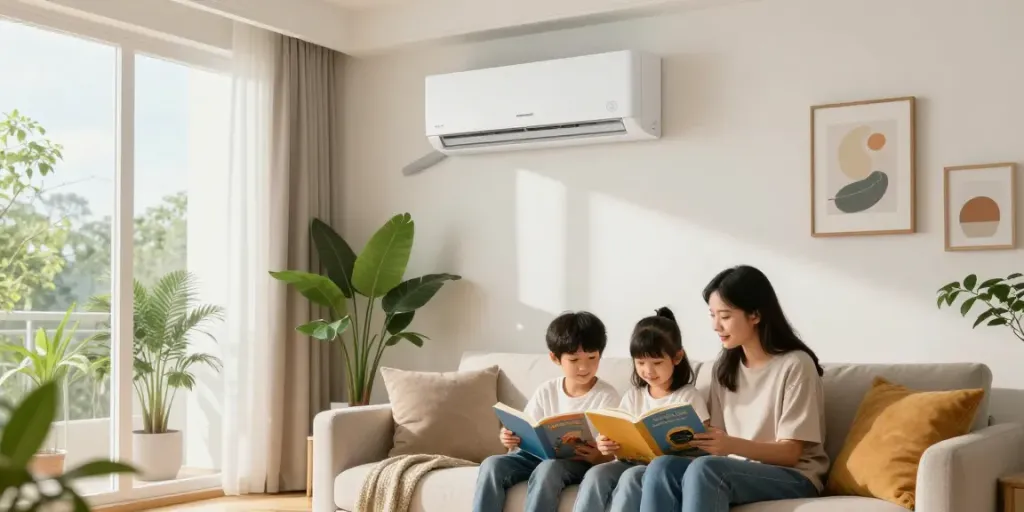
Mini split air conditioners are rapidly becoming a popular choice among homeowners seeking efficient cooling solutions. Unlike traditional HVAC systems, mini splits provide targeted comfort without the need for extensive ductwork. Their compact design makes them ideal for various living spaces, from small apartments to large homes. As energy efficiency continues to be a priority for many, understanding the mechanics and applications of mini split AC units is essential. When exploring options, mini split ac systems offer a versatile solution tailored to modern heating and cooling needs.
What is a Mini Split AC?
A mini split AC, also known as a ductless or split system air conditioner, is comprised of two main components: an indoor unit that disperses cool air and an outdoor condenser that removes heat. This separation allows for efficient temperature control in specific areas of your home. Unlike traditional systems that rely on ductwork, mini splits operate through a simple refrigerant line, making installation less invasive and more flexible. This flexibility enables homeowners to create customized climate zones, catering to different temperature preferences throughout a residence.
How Mini Split AC Works Efficiently
Mini splits operate on the principle of heat exchange. The indoor unit absorbs heat from the air in the room, transferring it to the outdoor unit, where the heat is expelled. This cycle allows the indoor unit to introduce cool air back into the space. In winter months, many mini splits can reverse this process to provide heating, making them a versatile year-round solution. By using variable-speed compressors, mini split systems maintain a consistent temperature without the energy spikes associated with traditional AC systems.
Common Applications of Mini Split Systems
- Home Renovations: Ideal for new additions or renovated spaces where adding ductwork would be impractical.
- Room-Specific Cooling: Perfect for targeting individual rooms or areas that require more cooling, such as bedrooms or home offices.
- Multi-Zone Comfort: The ability to control different areas of a home with separate thermostats allows for tailored comfort and energy savings.
- Commercial Use: Growing in popularity within small businesses for efficient climate control in specific sections of the building.
Benefits of Mini Split AC Over Traditional Systems
Energy Efficiency and Cost Savings
One of the most significant advantages of mini split AC units is their energy efficiency. Compared to traditional centralized systems, mini splits consume less energy due to their targeted approach. This not only results in lower utility bills but also reduces the carbon footprint of the household. Furthermore, many models come with Energy Star ratings, ensuring that they meet stringent energy efficiency guidelines, which can lead to additional savings over time.
Installation Flexibility of Mini Split AC
Compared to traditional HVAC systems, which often require extensive ductwork, mini splits offer a more flexible installation process. The indoor unit can be mounted high on walls, on ceilings, or even recessed, allowing for a seamless aesthetic and optimal airflow. Additionally, installation usually takes less time and can be completed without significant renovations. This flexibility is particularly beneficial for renters and those living in older homes not equipped with duct systems.
Quiet Operation: A Key Advantage
Mini split AC systems are renowned for their quiet operation. The indoor units operate at sound levels comparable to a whisper, making them ideal for bedrooms, offices, and other quiet spaces. This quiet comfort is achieved through advanced technology that minimizes noise from the compressor and the fan, ensuring that your comfort does not come at the expense of a peaceful environment.
Choosing the Right Mini Split AC for Your Space
Factors to Consider: BTUs and Room Size
When selecting a mini split AC, understanding the appropriate BTU (British Thermal Units) rating is crucial. The BTU rating indicates how efficiently the unit can cool or heat a specific area. A unit that is too small will struggle to maintain comfort, while one that is too large can lead to short cycling, reducing efficiency and increasing wear and tear. As a general guideline, consider the square footage of the space and adjust for factors such as ceiling height, insulation quality, and room orientation to determine the necessary BTU rating.
Mini Split AC Options: Heat Pumps vs. Cooling Only
Mini split systems are available in two main configurations: heat pumps and cooling-only models. Heat pump units are versatile, providing both heating and cooling capabilities, making them ideal for climates with significant seasonal variation. In contrast, cooling-only units are more straightforward and can often be a budget-friendly option when heating is not a concern. Your choice will depend on your climate, specific needs, and budget.
Top Brands and Models to Consider in 2026
As the mini split market continues to evolve, several brands stand out for their reliability and performance. Brands such as Mitsubishi, Fujitsu, and Daikin have earned reputations for producing high-quality systems that offer energy efficiency and innovative features. In 2026, consider units that incorporate smart technology, allowing for remote control and monitoring through mobile apps, which can enhance convenience and energy management.
Installation Tips for Mini Split AC Systems
DIY vs. Professional Installation: What to Choose?
Choosing between DIY installation and hiring a professional largely depends on your comfort level and experience with HVAC systems. While many mini split units are designed for easy installation, improper setup can lead to decreased efficiency and void warranties. For most homeowners, hiring a licensed professional ensures that the unit is installed correctly and adheres to local building codes, maximizing the system's performance.
Steps for Proper Installation of Mini Split AC
If you opt for a DIY installation, follow these steps to ensure a successful setup:
- Choose the Location: Select a spot for the indoor unit that allows for optimal air distribution while remaining accessible for maintenance.
- Install the Mounting Plate: Secure the mounting plate to the wall, ensuring it is level and securely anchored.
- Connect the Refrigerant Lines: Carefully run the refrigerant lines and electrical connections from the outdoor to indoor unit, paying attention to proper insulation.
- Test the System: After installation, check all connections for leaks and ensure the unit operates as intended before sealing any access points.
Common Mistakes to Avoid During Installation
To avoid common pitfalls during installation, keep the following in mind:
- Incorrect Sizing: Ensure the selected unit has the correct capacity for the intended space to avoid inefficiencies.
- Poor Placement: Avoid locations that obstruct airflow or require extensive ductwork, reducing the unit's effectiveness.
- Neglecting Electrical Considerations: Ensure that electrical connections meet local codes and the unit's power requirements to prevent potential hazards.
Maintenance and Troubleshooting Tips
Routine Maintenance for Optimal Performance
To maintain the efficiency and longevity of your mini split AC, routine maintenance is essential. This includes cleaning or replacing the air filters every few months to ensure optimal airflow and cleanliness. Additionally, check the outdoor unit for debris and ensure that the condenser coils are clear. Annual professional inspections can help identify potential issues before they become significant problems.
Signs That Your Mini Split AC Needs Repair
Be vigilant about any signs of trouble with your mini split system, including:
- Unusual Noises: Sounds such as clanking or grinding can indicate mechanical issues.
- Inconsistent Temperature: If multiple rooms are experiencing uneven heating or cooling, it may signal a problem with the unit.
- Increased Energy Bills: A noticeable spike in energy costs can indicate inefficiencies in the system that require attention.
DIY Troubleshooting vs. Professional Help
While some minor issues can be addressed with DIY troubleshooting, such as replacing a filter or cleaning the outdoor unit, more complex problems should be left to professionals. Signs of refrigerant leaks or electrical issues require specialized knowledge to ensure safety and effective repairs. Ultimately, investing in professional service can save you from costly mistakes and ensure your system operates smoothly.
What is a mini split AC's installation cost?
The cost of installing a mini split AC system varies based on several factors, including the number of units, installation complexity, and location. On average, homeowners can expect to spend between $2,000 and $5,000 for a complete installation. This investment is often justified by the long-term energy savings and comfort these systems provide.
How energy-efficient are mini split systems?
Energy efficiency ratings for mini splits typically range from 16 to 30 SEER (Seasonal Energy Efficiency Ratio). This compares favorably to traditional systems, which average around 14 SEER. The higher the SEER rating, the more efficient the system is, meaning lower energy costs and less environmental impact.
What size mini split AC do I need for my home?
To determine the appropriate size mini split for your home, consider factors like total square footage, insulation quality, and climate zone. A professional HVAC technician can perform a load calculation to recommend the correct BTU rating tailored to your specific needs.
Are mini split AC systems worth it?
For many homeowners, mini split AC systems are worth the investment due to their energy efficiency, flexibility, and quiet operation. They also provide tailored climate control, allowing for greater comfort and potential savings over time. However, the decision should factor in individual home layouts, climate, and budget considerations.
What are the disadvantages of mini split systems?
While mini split systems offer numerous advantages, they also come with some drawbacks. Initial costs can be higher than traditional systems, and improper installation may lead to inefficiencies. Additionally, aesthetic concerns regarding the visibility of indoor units may deter some homeowners. Understanding these factors is essential when considering a mini split system for your home.