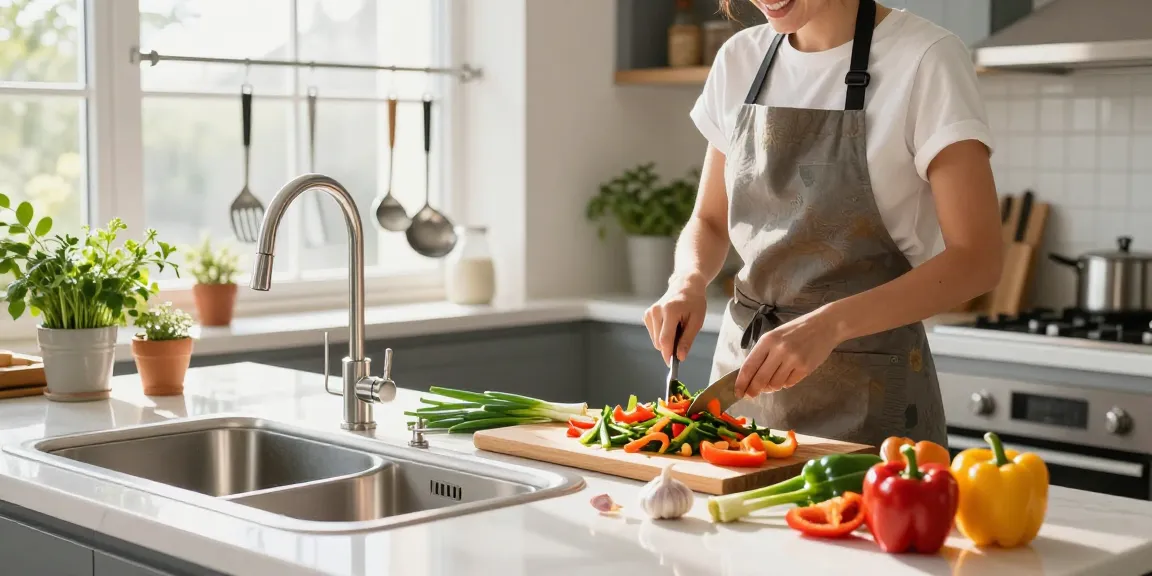
Understanding the Benefits of a Kitchen Sink in Stainless Steel
When it comes to selecting a kitchen sink, stainless steel remains a popular choice for homeowners and designers alike. Not only does it offer a sleek and modern aesthetic, but it also boasts numerous functional benefits that make it ideal for everyday use. Whether you’re renovating your kitchen or building a new one, understanding the advantages of a kitchen sink in stainless steel can help inform your decision and ensure your investment pays off in the long run.
Durability and Longevity
One of the most significant advantages of stainless steel sinks is their remarkable durability. Stainless steel is known for its resistance to dents, scratches, and overall wear and tear. Unlike porcelain or ceramic sinks, which can chip or crack, stainless steel can handle the rigors of a busy kitchen without losing its functionality or appearance. With proper care, a stainless steel sink can last for many years, making it an economically savvy choice for homeowners.
Heat and Stain Resistance
Stainless steel sinks excel in heat resistance, allowing you to place hot pots and pans directly in the basin without worry. This quality is essential for avid cooks who frequently use their kitchen for meal preparation. Additionally, stainless steel is non-porous, which means it does not absorb stains from food or beverages. This makes cleaning up spills and messes quick and easy, maintaining the sink’s pristine look over time.
Design Versatility
When it comes to design, stainless steel sinks provide incredible versatility. They fit seamlessly into any kitchen style, from modern to traditional. Available in various sizes and configurations, such as single or double bowls, undermount or drop-in options, they cater to diverse kitchen layouts and personal preferences. Their ability to harmonize with different materials—such as quartz or granite countertops—enhances their appeal, making them a favorite among interior designers.
Choosing the Right Type of Stainless Steel Sink
Choosing the perfect stainless steel sink involves considering various factors, including style, usage, and your kitchen’s overall design. Understanding the differences between the types of sinks will help you make an informed choice that suits your needs.
Single Bowl vs. Double Bowl Sinks
One of the first decisions to make is whether to opt for a single bowl or double bowl sink. Single bowl sinks offer a larger washing area, making them suitable for handling large pots and pans. They are ideal for minimalist designs and smaller kitchens where maximizing space is crucial. Conversely, double bowl sinks provide the convenience of multitasking, allowing you to wash and rinse simultaneously, which is a significant advantage for larger families or those who frequently entertain guests.
Undermount vs. Drop-in Styles
The choice between undermount and drop-in sinks is also vital. Undermount sinks are installed beneath the countertop, giving a seamless look that is easy to clean and maintain. They are popular in modern kitchens where aesthetics are paramount. Drop-in sinks, on the other hand, rest above the countertop and are easier to install, making them a practical option for DIY enthusiasts. Each style has its own set of advantages, so consider your preferences and renovation plans carefully.
Popular Finishes and Styles for 2026
As we move into 2026, several finishes and styles for stainless steel sinks are gaining popularity. Brushed finishes continue to be favored for their ability to hide scratches and maintain a sleek appearance over time. Moreover, textured surfaces and farmhouse styles are emerging trends, blending functionality with design aesthetics. Whether you’re leaning towards a contemporary or classic look, the options available in stainless steel sinks are expanding and evolving.
Installation Tips for Your Stainless Steel Sink
Installing a stainless steel sink can be straightforward if you take the proper steps. However, ensuring proper installation is crucial for functionality and longevity.
Preparing Your Kitchen for Installation
Before installation begins, ensure that you have all necessary tools and materials at hand. Clear the area under the sink and measure the cabinet where the sink will fit to avoid sizing issues. If your sink will be undermounted, you may need to reinforce the countertop for added support.
Professional Installation vs. DIY
Deciding between professional installation and a DIY approach often depends on your comfort level with home improvement tasks. While DIY installation can save money, professional installation ensures that the sink is fitted correctly, preventing potential leaks or damage. If you choose the DIY route, follow the manufacturer’s instructions closely and consider having a friend assist you.
Common Installation Mistakes to Avoid
Common mistakes during installation can lead to costly repairs later on. Ensure you seal the sink properly to prevent leaks. Avoid overtightening bolts, which can damage the sink or cabinet. Additionally, double-check the alignment to ensure that the sink sits evenly in the countertop.
Maintenance and Care for Stainless Steel Sinks
Maintaining your stainless steel sink is relatively easy, but it does require some basic care to keep it looking great and functioning well.
Cleaning Techniques for Longevity
To preserve the finish and integrity of your stainless steel sink, use a gentle detergent and a soft cloth or sponge for routine cleaning. Avoid abrasive cleaners or scrubbing pads, as they can scratch the surface. For tough stains, a mix of baking soda and water can gently lift grime without damaging your sink.
Dealing with Scratches and Dents
While stainless steel sinks are durable, they can still scratch or dent. Minor scratches can often be buffed out with a non-abrasive cleaner or a specialized stainless steel cleaner. For deeper dents, consider consulting a professional to restore the sink’s appearance effectively.
Preventing Stains and Water Spots
To prevent water spots and stains, dry the sink after each use. Regular use of vinegar or lemon juice solutions can help remove any hard water deposits and maintain a shine. Additionally, installing a water softener can minimize mineral buildup, keeping your sink looking its best.
Trends and Innovations in Kitchen Sinks for 2026
The kitchen sink landscape is evolving, with trends and innovations reflecting changing consumer preferences and technologies.
Smart Technology Integration
Smart technology is becoming increasingly integrated into kitchen designs, including sinks. Features such as touchless faucets, built-in water filtration systems, and even sensors that detect water levels are enhancing user experience and convenience. These innovations not only streamline tasks but also promote water conservation.
Sustainable Materials and Practices
As sustainability continues to be a priority, many manufacturers are focusing on using eco-friendly materials and practices in producing stainless steel sinks. This trend not only appeals to environmentally conscious consumers but also enhances the reliability and durability of the products.
Customization Options for Modern Homes
Customization is gaining traction as homeowners seek unique solutions tailored to their specific needs. Manufacturers now offer a variety of customizable options for size, bowl configuration, and finish, allowing consumers to create a sink that perfectly suits their kitchens and lifestyles.
Frequently Asked Questions
Is stainless steel a good choice for a kitchen sink?
Yes, stainless steel is an excellent choice for a kitchen sink. Its durability, ease of maintenance, and resistance to heat and stains make it ideal for high-traffic kitchens.
Can I pour boiling water into a stainless steel sink?
While stainless steel is heat-resistant, pouring boiling water suddenly can cause uneven thermal expansion, potentially leading to discoloration or deformation. It’s best to let the water cool slightly before pouring.
What are the best cleaning products for stainless steel sinks?
Non-abrasive cleaners, baking soda, vinegar, and specialized stainless steel cleaners work best. Always test a small area first to ensure compatibility.
How to prevent noise from stainless steel sinks?
To reduce noise, consider installing sound-dampening pads or choosing sinks with built-in soundproofing features. Additionally, using rubber mats or pads can minimize noise when dishes are placed in the sink.
What accessories work best with stainless steel sinks?
Accessories such as sink grids, cutting boards, and colanders designed to fit your sink can enhance functionality and protect the sink’s surface. Consider investing in these tools for the best experience.