
Understanding Airtight Food Storage Containers
Airtight food storage containers have become essential tools for anyone looking to maintain the freshness and quality of their food. These containers are designed to minimize air exchange, thereby preventing spoilage and maintaining the flavor and texture of a variety of food items. As households become increasingly health-conscious, the demand for efficient storage solutions has surged. When exploring options, airtight food storage containers play a vital role in modern kitchen management, allowing users to store ingredients safely and conveniently.
What Are Airtight Food Storage Containers?
Airtight food storage containers are specially designed vessels that seal tightly to protect food from air, moisture, and contaminants. Typically made from durable materials such as plastic, glass, or metal, these containers come with a variety of lid mechanisms—ranging from snap-on to screw-top—to ensure an airtight seal. Their versatility allows for the storage of everything from grains and spices to leftovers, making them a staple in both home and professional kitchens.
Benefits of Using Airtight Containers
- Preservation of Freshness: Airtight containers prevent air exchange, which helps extend the shelf life of foods by reducing oxidation.
- Prevention of Contamination: These containers shield food from pests and external elements, ensuring ingredients remain safe and clean.
- Enhanced Organization: Clear or labeled containers make it easier to find what you’re looking for, helping to keep your pantry tidy.
- Reduced Food Waste: By keeping food fresh longer, you can minimize spoilage and waste, leading to more efficient grocery shopping.
Common Materials Used in Airtight Containers
Airtight food storage containers come in various materials, each offering unique benefits:
- Plastic: Lightweight and versatile, plastic containers are often affordable and available in various sizes. Look for BPA-free options for safety.
- Glass: Glass containers are non-toxic, do not absorb odors, and are often microwave and dishwasher safe, making them a popular choice for health-conscious consumers.
- Metal: Durable and often used for bulk storage, metal containers are also great for items sensitive to light or moisture.
Choosing the Right Airtight Food Storage Containers
Selecting the right airtight food storage containers can significantly impact your kitchen experience. Factors such as size, material, and intended use should all be evaluated to ensure the best fit for your culinary needs.
Key Features to Look For
- Seal Quality: Ensure the container has a strong latch or screw mechanism that provides an airtight seal.
- Stackability: Look for containers that can be stacked to save space in cabinets and pantries.
- Visibility: Clear sides allow for easy visibility of contents, which can help identify items quickly.
Size and Style Options
Airtight containers come in a range of sizes, from small jars ideal for spices to large bins designed for bulk items like flour and rice. When choosing, consider the following:
- Proportionality: Select containers that match the volume of food you typically store to avoid underutilization.
- Design: Containers come in various styles, including modern, rustic, and functional designs that can complement your kitchen decor.
Eco-Friendly Choices in Airtight Containers
As sustainability becomes a priority for many consumers, eco-friendly airtight containers are gaining popularity. Options made from recycled materials, biodegradable plastics, or sustainably sourced glass are widely available, providing safe food storage without compromising environmental values.
Best Uses for Airtight Food Storage Containers
Airtight containers are incredibly versatile and can be utilized for a range of applications in the kitchen.
Maximizing Freshness for Pantry Staples
Storing pantry staples like pasta, grains, and nuts in airtight containers preserves their flavor and texture, allowing for longer shelf life while reducing the risk of contamination.
Meal Prep and On-the-Go Solutions
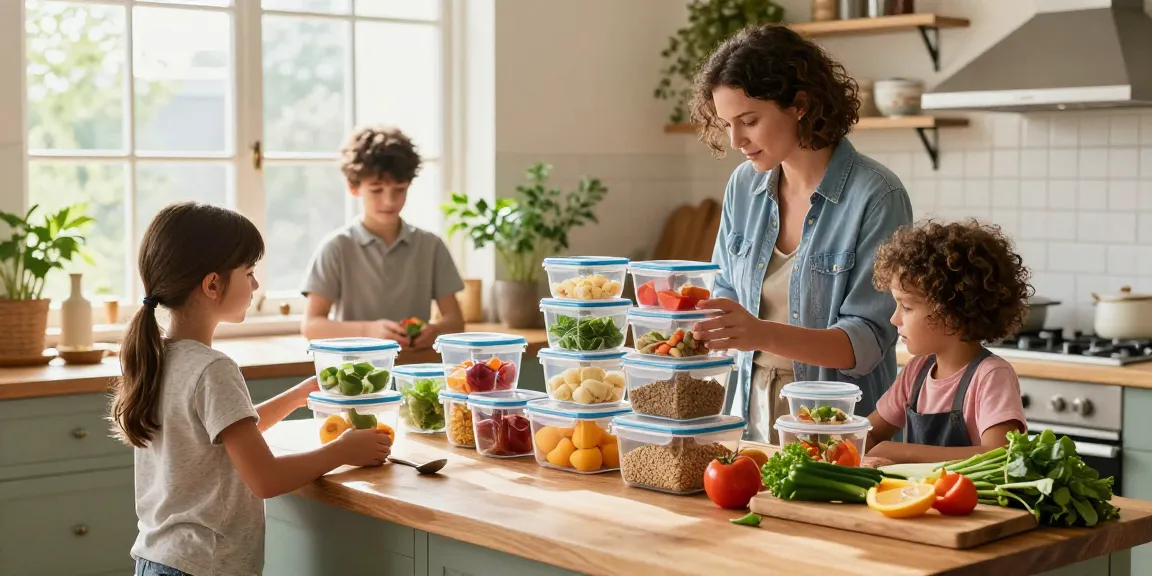
Meal prepping has become a popular strategy for health-conscious individuals. Airtight containers are perfect for preparing and storing individual servings of meals, making it easier to grab-and-go during busy weekdays.
Storing Bulk Foods and Leftovers
For those who buy food in bulk or have leftovers, airtight containers are essential. They help maintain freshness and quality for items such as cooked meals, snacks, and large quantities of ingredients.
Common Mistakes When Using Airtight Containers
While airtight containers are excellent tools, improper use can lead to issues that negate their benefits. Here are some common mistakes to avoid:
Overpacking Containers and Its Consequences
Filling containers beyond their capacity can lead to compromised seals, allowing air and moisture to enter. Always leave some space at the top of the container for optimal performance.
Ignoring Expiration Dates
Even airtight containers cannot preserve food indefinitely. It’s essential to keep an eye on expiration dates and rotate food regularly to ensure freshness.
Improper Cleaning and Maintenance
Not cleaning containers properly after use can result in lingering odors or flavors that impact future food storage. Follow the manufacturer’s cleaning guidelines to maintain hygiene.
Future of Airtight Food Storage in Kitchens
The future of airtight food storage is evolving as kitchen organization trends adapt to consumer preferences and technological advancements.
Emerging Trends in Kitchen Organization
Smart kitchen solutions that integrate technology into food storage solutions are on the rise. Some containers may now come equipped with sensors that monitor freshness or alert users when food is nearing expiration.
Innovative Designs and Technology Integration
As consumers seek convenience, the demand for multifunctional containers with built-in measuring tools or labeling systems is growing. This innovation aims to simplify food management tasks.
Consumer Preferences in 2026 and Beyond
Looking ahead, consumers will likely continue to prioritize sustainability and convenience when selecting food storage options, pushing manufacturers to create environmentally friendly solutions that also cater to a modern lifestyle.
How to Properly Clean Airtight Food Storage Containers?
For longevity and safety, it’s vital to clean airtight containers regularly. Most plastic and glass options are dishwasher safe, but hand washing with mild soap and water is often recommended to prevent wear. Always dry containers thoroughly to avoid moisture buildup.
What Are the Best Materials for Airtight Food Storage?
Glass and high-quality food-grade plastics are generally the best choices for airtight storage, balancing safety with durability. Each material has its advantages, but glass often outshines in terms of hygiene and non-reactivity with stored food.
How Long Do Airtight Containers Keep Food Fresh?
The duration varies based on the type of food stored, but well-sealed airtight containers can keep most items fresh for weeks or even months longer than standard containers. Dry goods can last significantly longer, while leftovers should still be consumed within a few days.
Can Airtight Containers Be Used in the Freezer?
Yes, many airtight containers are designed for freezer use. However, always ensure the container is labeled as freezer-safe to withstand low temperatures without cracking or breaking.
What Size Airtight Containers Do I Need for Different Foods?
Container size should vary based on the food item; small containers are ideal for spices and herbs, while larger bins are suitable for bulk items like pasta or rice. A mix of different sizes will offer flexibility for various storage needs.


