Understanding the Importance of Hijab in Contemporary Fashion
The hijab is more than just a piece of clothing; it represents a complex interplay of cultural identity, religious expression, and personal style. As the fashion landscape evolves, the hijab has transitioned from being perceived solely as a traditional garment to an essential element in contemporary fashion. In a world that values diversity and personal expression, the Hijab shop serves as a beacon for those seeking to blend tradition with modern styles, creating opportunities for individuals to showcase their unique identities.
The Cultural Significance of Hijab
The hijab holds profound cultural and religious significance for many women around the globe. It symbolizes commitment to faith and is often worn as an expression of identity. In different cultures, the styles and meanings of hijabs vary significantly. For instance, in some Middle Eastern countries, hijabs are often adorned with intricate patterns and high-quality fabrics, reflecting both personal and cultural artistry. The cultural diversity observed in hijab styles contributes to its growing acceptance in mainstream fashion, allowing women to showcase their heritage while aligning with contemporary trends.
Fashion Trends and Hijab Styles
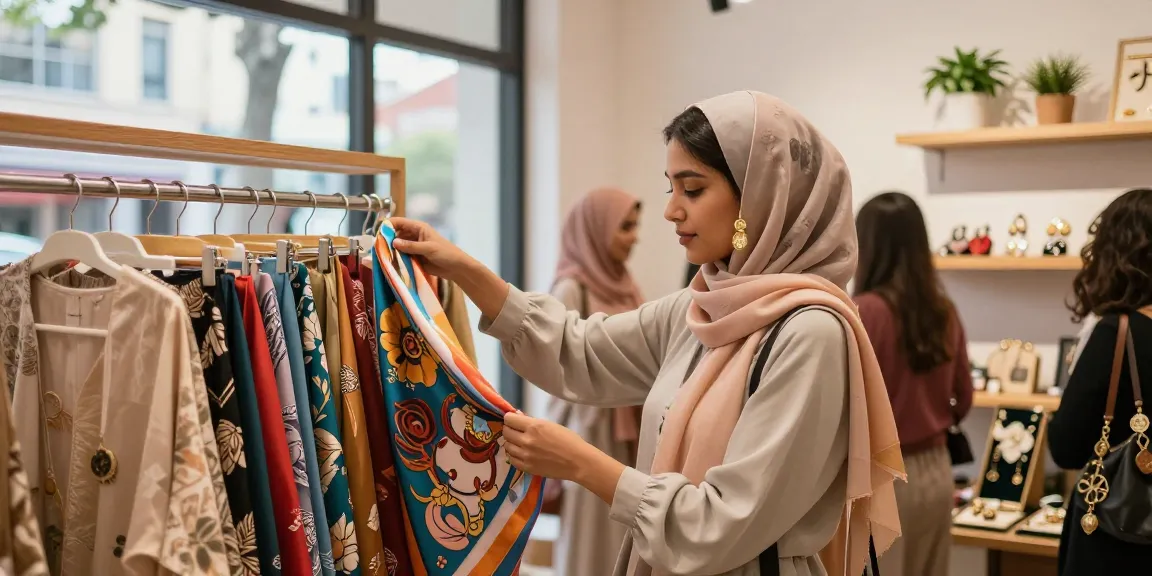
Fashion trends in hijab styles are continually evolving. Contemporary designers are embracing the hijab by incorporating innovative designs, fabrics, and aesthetics that cater to a range of preferences. From bold prints to elegant colors, the options are endless. Many brands now offer collections that align with the latest fashion trends, incorporating stylish accessories that complement the hijab. This fusion of fashion and modesty empowers women to express their individuality while adhering to their beliefs.
How Hijab Empowers Personal Expression
Wearing a hijab allows women to express their personal style in a unique manner. Many hijabis, or women who wear the hijab, use it as a canvas to experiment with fashion. From pairing hijabs with modern outfits to injecting vibrant colors and patterns, the hijab becomes a tool for self-expression. Additionally, by choosing to wear a hijab, women make a statement about their beliefs and values, promoting the importance of personal choice and empowerment in the fashion industry.
Exploring Sustainable Practices in the Hijab Shop Industry
As the global emphasis on sustainability grows, so too does the responsibility of the hijab shop industry to adopt eco-friendly practices. Consumers today are not just looking for stylish hijabs; they also seek brands that align with values of sustainability and ethical sourcing. The integration of sustainable practices in the hijab shop landscape is vital in meeting the demands of socially conscious consumers.
Ethical Sourcing of Materials
Ethical sourcing is a cornerstone of sustainable fashion. Many hijab brands are now prioritizing materials that are produced sustainably and ethically. Organic cotton, for example, has gained popularity due to its minimal environmental impact. Moreover, brands that support fair trade practices ensure that artisans and workers are compensated fairly for their labor, which enhances the livelihoods of communities involved in the production process.
Eco-friendly Production Techniques
The production techniques used in the hijab industry have a significant impact on the environment. Innovative brands are now utilizing eco-friendly dyes and sustainable manufacturing processes to reduce their carbon footprint. Techniques such as low-water dyeing and the use of biodegradable materials are becoming increasingly popular, aligning production methods with environmental sustainability. This shift not only benefits the planet but also caters to consumers who prioritize green fashion choices.
Supporting Local Artisans and Communities
Many hijab shops are now focusing on community engagement by collaborating with local artisans. This not only promotes traditional craftsmanship but also ensures that local economies benefit from the sale of hijabs. Supporting local artists allows for unique designs that reflect cultural heritage while empowering communities economically. By highlighting these artisans, hijab shops can offer a more personalized shopping experience for customers who value unique and meaningful products.
Top Trends in Hijab Fashion for 2026
The hijab fashion landscape is dynamic and continuously evolving, with new trends emerging to cater to the diverse preferences of hijab-wearing women. As we approach 2026, several key trends are poised to dominate the market.
Innovative Fabrics and Designs to Watch
In 2026, expect to see a surge in the use of innovative fabrics that offer comfort and functionality. Moisture-wicking materials, for instance, will appeal to active women looking for stylish yet practical options. Additionally, designers are exploring anti-microbial fabrics that provide both comfort and hygiene, adapting to the needs of modern hijabis.
Color Palettes and Patterns Dominating the Market
Color trends for hijabs in 2026 will likely include earthy tones and vibrant hues. The fusion of classic patterns with contemporary styles will create a dynamic palette that appeals to a broad audience. Expect to see more artistic prints, including abstract designs and nature-inspired motifs that resonate with the eco-conscious consumer.
Influencer Collaborations and Their Impact on Trends
Influencer culture is significantly impacting hijab fashion trends. Collaborations between brands and popular figures will shape the styles and collections in the market. These partnerships not only provide visibility for the brands but also foster a deep connection with consumers, giving them relatable fashion inspiration that aligns with their lifestyle and cultural identity.
Building an Inclusive and Accessible Hijab Shop Experience
Creating an inclusive retail experience is crucial for hijab shops, fostering a welcoming environment for all customers. An inclusive approach not only enhances customer satisfaction but also broadens the brand’s appeal to a diverse audience.
Creating a Welcoming Environment in Retail Spaces
Retail spaces should be designed to cater to the diverse needs of customers. This includes offering private fitting rooms, accommodating diverse body types, and training staff to be culturally sensitive. A welcoming environment encourages customers to explore various styles without feeling judged or uncomfortable.
Online Shopping Solutions for Diverse Needs
The rise of e-commerce has transformed the retail landscape, providing hijab shops with opportunities to reach a global audience. Online shopping solutions must be accessible, ensuring that users can effortlessly navigate the website. Providing detailed sizing guides, styling tips, and virtual try-on features enhance the shopping experience for online customers, bridging the gap between physical and virtual shopping.
Community Engagement and Customer Feedback
Engaging with the community is vital for understanding customer preferences and needs. Hijab shops can cultivate community engagement by actively seeking customer feedback and involving them in the design process. Hosting events, both virtual and in-person, can foster a sense of belonging and make customers feel valued, enhancing brand loyalty.
Future of Hijab Shops: Trends and Predictions
The future of hijab shops will be significantly shaped by technological advancements and changing consumer behaviors. As the fashion industry adapts, so too will the offerings of hijab retailers.
Technological Advancements in Fashion Retail
Technological advancements are revolutionizing the way consumers interact with fashion. Augmented reality (AR) and virtual reality (VR) are anticipated to play pivotal roles in the shopping experience, allowing customers to visualize how different hijabs would look on them before making a purchase. Such advancements foster a more interactive and satisfying shopping experience.
E-commerce Growth and the Digital Customer Journey
The growth of e-commerce will continue to dominate the retail landscape, necessitating that hijab shops refine their digital customer journey. Personalized shopping experiences, powered by artificial intelligence (AI), will enable retailers to provide tailored recommendations based on individual preferences and purchase history, enhancing customer satisfaction and retention.
Sustainable Fashion’s Role in Shaping Industry Standards
Sustainability will be a key driver in shaping the future of the hijab shop industry. Brands that prioritize eco-friendly practices, ethical sourcing, and transparency will stand out in a crowded marketplace. As consumers become more aware of the environmental impact of fashion, there will be a collective push towards sustainable practices that prioritize the health of the planet while satisfying the fashion needs of today’s shoppers.
What are the best fabrics for hijabs?
When selecting fabrics for hijabs, consider options like cotton for breathability, chiffon for elegance, and jersey for comfort. These fabrics not only provide style but also practicality, making them suitable for various occasions.
How can I style my hijab for different occasions?
Styling your hijab can vary by occasion. For formal events, opt for structured fabrics and sleek styles, while casual outings allow for more playful designs. Accessories such as brooches or decorative pins can elevate your look and express your individuality.
What are the benefits of shopping at a sustainable hijab shop?
Shopping at sustainable hijab shops not only supports ethical practices but also promotes a healthier planet. Consumers can feel good about their purchases, knowing they are part of a movement towards reducing environmental impact and supporting fair labor practices.
Are there hijab shops that offer custom designs?
Yes, many hijab shops now offer the option of custom designs, allowing customers to select fabrics, colors, and styles that resonate with their personal taste. This custom approach helps in providing unique and personalized fashion statements.
How to choose the right hijab for my face shape?
Choosing the right hijab involves considering your face shape. For example, if you have a round face, try styles that elongate your face, such as a rectangular scarf. Conversely, those with an oval face can wear a variety of styles comfortably. Experimenting with different styles will help in finding the best fit for your unique features.