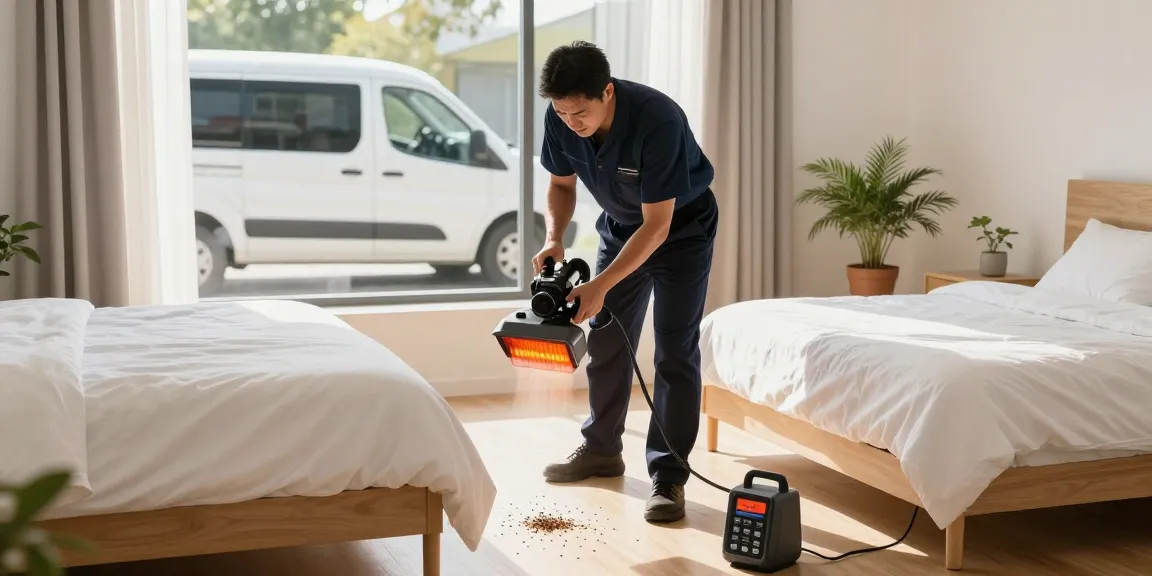
Understanding Bed Bug Heat Treatment
Bed bugs have emerged as a pervasive problem for households and businesses alike, making the need for effective extermination solutions more pressing than ever. Among the myriad of treatments available, bed bug heat treatment stands out as a highly effective method to eradicate these pests. This article explores the mechanics of heat treatment, its advantages, and how it stacks up against other extermination methods.
What is Bed Bug Heat Treatment?
Bed bug heat treatment involves raising the temperature in infested areas to a level lethal to bed bugs and their eggs. Typically, temperatures reach between 125°F and 140°F, effectively killing all life stages of bed bugs. This method is not only effective but also eco-friendly, as it eliminates the need for harsh chemicals, making it a safe option for homes with children and pets.
Benefits of Using Heat Treatment for Bed Bugs
- Non-toxic: As heat treatment uses temperature rather than chemicals, it is safe for pets and humans, reducing the risk of allergic reactions and chemical exposure.
- Comprehensive Coverage: Heat penetrates all areas, including cracks and crevices, effectively reaching bed bugs hiding in difficult-to-access locations.
- Fast Results: The heat treatment process can eliminate bed bugs within hours, providing quick relief from infestations.
- Long-lasting Effects: By killing bed bugs at all life stages, including eggs, heat treatment offers lasting protection against re-infestation.
How Heat Treatment Compares to Other Methods
While chemical sprays are commonly used to combat bed bugs, they often require multiple applications and can leave behind harmful residues. On the other hand, heat treatment is a one-time process that can eradicate bed bugs effectively in a single visit. Furthermore, chemical treatments may fail if not applied thoroughly, whereas heat uniformly affects all areas of an infestation, making it a more reliable option.
How Heat Treatment Works
Understanding the science behind bed bug heat treatment is crucial for appreciating its effectiveness. In this section, we will delve into the process and conditions necessary for successful extermination.
The Science Behind Heat Treatment Effectiveness
The principle behind heat treatment is simple: raising the ambient temperature to a lethal level. Bed bugs begin to die at temperatures around 113°F, but to ensure complete eradication, a minimum target of 120°F is recommended. By maintaining these temperatures for a sustained period, even the most resilient bugs and their eggs are eliminated.
Temperature Requirements for Effective Treatment
Effective heat treatment requires precise temperature control. Ideally, the temperature should reach at least 125°F to penetrate various materials and ensure all bugs are affected. An effective treatment may take anywhere from 6 to 8 hours, depending on the severity of the infestation and the configuration of the space being treated.
Life Cycle of Bed Bugs and Heat Sensitivity
Bed bugs undergo multiple life stages: egg, nymph, and adult. Eggs, in particular, are notoriously difficult to kill because they can withstand lower temperatures for longer periods. Heat treatment’s ability to penetrate and affect all life stages makes it particularly effective; temperatures above 122°F can be lethal within minutes.
Preparing for Bed Bug Heat Treatment
Preparation is vital for ensuring the success of heat treatment. This section outlines the necessary steps you must take before the extermination begins.
Steps to Take Before the Treatment
- Clear the Area: Remove furniture and items from the infested rooms to allow heat to circulate freely.
- Inform Residents: Notify everyone in the household or business of the upcoming treatment to allow for necessary adjustments.
- Check for Pets: Ensure that all pets are removed from the treatment area to protect their safety.
- Seal Food: Properly store food items to prevent contamination.
Common Mistakes to Avoid
Avoid leaving clothes or other items in the treatment area, as these can interfere with the process and create hiding spots for bed bugs. Also, some homeowners mistakenly attempt DIY methods before professional treatment, which can complicate the extermination process.
What to Expect During the Process
During the heat treatment, professionals will set up specialized equipment to raise the temperature in the affected areas. Once the desired heat level is achieved, it is maintained for the necessary duration to ensure thorough extermination. Homeowners may need to leave the premises during treatment, typically for several hours.
Post-Treatment Care and Prevention
After the heat treatment has concluded, ongoing vigilance is essential to prevent future infestations. Follow these guidelines to maintain a bed bug-free environment.
How to Monitor Your Home After Treatment
Regularly inspect your home for signs of bed bugs, particularly in areas where they are likely to hide, such as seams of mattresses, headboards, and baseboards. Keeping a record of any sightings or bites can help in early detection of potential re-infestations.
Preventing Future Infestations
- Regular Inspections: Make it a habit to inspect your living space, especially after traveling or bringing in second-hand furniture.
- Protective Covers: Invest in bed bug-proof mattress and box spring covers to limit potential hiding spots.
- Educate Yourself: Understanding bed bug behavior can help in early detection and prevention of infestations.
Signs of Bed Bugs to Watch For
Key indicators of a potential bed bug issue include itchy welts on the skin, small bloodstains on sheets, and dark spots of excrement near sleeping areas. If you notice any of these signs, it’s crucial to act quickly and contact a professional exterminator.
Frequently Asked Questions About Bed Bug Heat Treatment
How long does heat treatment take?
The entire heat treatment process typically lasts between 6 to 8 hours, depending on the size of the area and the severity of the infestation.
Is heat treatment safe for pets and children?
Yes, heat treatment is non-toxic and safe for both pets and children. However, it is advisable to remove them from the treatment area during the process.
Can I do heat treatment myself?
While DIY heat treatments are possible, they are often not effective due to the need for precise temperature control and professional-grade equipment. Hiring a specialized exterminator can ensure successful eradication.
What are the costs associated with heat treatment?
Costs for heat treatment can vary based on the size of the infested area and the severity of the infestation. It is best to consult with a professional for an accurate estimate.
How effective is heat treatment compared to chemical solutions?
Heat treatment is often more effective than chemical solutions because it eliminates bed bugs at all life stages and does not require multiple treatments. Additionally, it avoids the complications of chemical resistance.