Understanding lvp Floor: The Basics
What is lvp Floor?
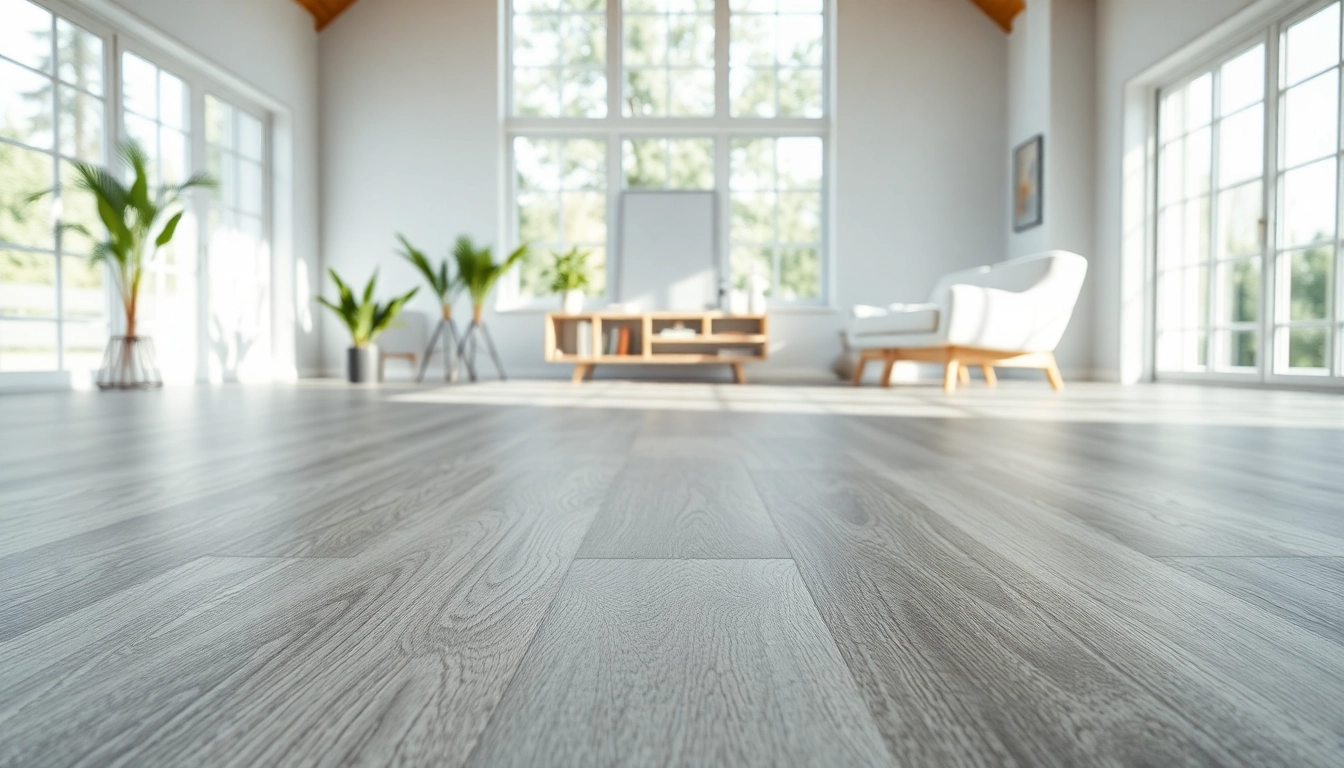
The lvp floor, or luxury vinyl plank flooring, is a high-quality flooring option designed to replicate the look and feel of traditional hardwood flooring. Made from synthetic materials, it consists of multiple layers that contribute to its durability, comfort, and aesthetic appeal. The top layer is typically a wear layer that protects against scratches and stains, making it an ideal choice for both residential and commercial spaces. With its robust design, lvp floor can stand up to moisture and temperature fluctuations better than natural wood, making it suitable for a wide range of environments, including basements, kitchens, and bathrooms.
Benefits of Choosing lvp Floor
Choosing lvp floor has several advantages that set it apart from other flooring options:
- Durability: Lvp floor is designed to withstand heavy foot traffic and resist scratches, dents, and stains, making it perfect for families and pets.
- Water Resistance: Most lvp floors are waterproof, making them an excellent choice for areas prone to spills or moisture, such as bathrooms and kitchens.
- Easy Installation: Lvp can often be installed without professional help, provided that the preparation of the subfloor is done correctly. This ease of installation allows for quicker project completion.
- Variety of Styles: Lvp flooring comes in various styles, colors, and patterns, allowing homeowners to customize their spaces to match their decor vision.
- Low Maintenance: Regular sweeping and occasional mopping are usually all that’s needed to keep lvp floors looking great, making them a hassle-free option.
Comparing lvp Floor to Other Flooring Types
When selecting flooring materials, it’s essential to understand how lvp floor stacks up against other popular options:
- Hardwood: While hardwood offers timeless beauty, it can be susceptible to scratches, moisture, and requires more maintenance. Lvp provides a similar aesthetic with added durability and ease of care.
- Laminate: Laminate flooring is often less expensive than lvp but typically offers less water resistance and can feel less luxurious underfoot.
- Ceramic Tile: Though ceramic tiles are very durable and water-resistant, they can be cold and hard underfoot. Lvp mimics the look of tile but provides a warmer, softer feel.
- Carpet: While carpets can provide warmth and comfort, they are often more challenging to clean and can harbor allergens. Lvp is hypoallergenic and easy to maintain, ensuring a cleaner indoor environment.
Installation Process for lvp Floor
Preparing Your Space for lvp Floor
Before installing lvp floor, proper preparation of the installation area is crucial:
- Clear the Area: Remove all furniture, rugs, and existing flooring materials from the area where lvp will be installed.
- Assess the Subfloor: Ensure the subfloor is clean, dry, and level. Any imperfections could affect the installation process and the finished look.
- Acclimate the Flooring: Allow the lvp floor to acclimate in the room where it will be installed for at least 48 hours, so it adjusts to temperature and humidity levels.
Steps to Install lvp Floor
Installing lvp floor is a straightforward process that can be completed in several steps:
- Measure and Cut: Measure the room and cut the lvp planks to fit, using appropriate tools for precise cuts.
- Lay Underlayment (if Required): Depending on the thickness and type of lvp, laying down an underlayment may help with sound dampening and comfort.
- Start Laying Planks: Begin in a corner of the room, staggering the seams for a more natural look while ensuring the end pieces meet securely.
- Secure the Planks: Depending on the type of lvp, you may need to click and lock planks together or use glue. Following manufacturer instructions is crucial.
- Finishing Touches: Install baseboards and transition strips to complete the look; ensure proper spacing around edges for expansion.
Tools Required for Installing lvp Floor
Having the right tools on hand can help ensure a smooth installation process:
- Measuring tape
- Utility knife
- Underlayment (if needed)
- Square and chalk line
- Hammer or tapping block
- Pull bar or pry bar
- Vacuum cleaner for cleaning the subfloor
Maintaining Your lvp Floor: Best Practices
Cleaning Tips for lvp Floor
To keep your lvp floor looking pristine, implement the following cleaning tips:
- Regular Sweeping: Dust and particles can scratch the surface, so sweep the floor regularly using a soft-bristle broom.
- Mopping: Use a damp mop with a pH-neutral cleaner specifically formulated for vinyl flooring, avoiding excessive water.
- Spot Clean: For spills and stains, quickly blot with a clean cloth and a suitable cleaning solution to avoid discoloration.
Long-Term Care for lvp Floor
Long-term care for lvp floor involves a few strategic approaches:
- Avoid Harsh Chemicals: Strong chemicals can break down the protective layers, so stick to recommended cleaning products.
- Use Furniture Pads: Place pads under furniture legs to prevent indentations and scratches caused by heavy items.
- Routine Checks: Periodically inspect the floor for any loose boards or damages, addressing them promptly to maintain integrity.
Common Mistakes to Avoid with lvp Floor
While lvp floor is user-friendly, some common mistakes can undermine its durability and appearance:
- Skipping Acclimation: Failing to acclimate the planks can lead to expansion or contraction post-installation.
- Using Wrong Cleaning Products: Avoid wax-based or abrasive cleaners that can damage the surface finish of the flooring.
- Improper Installation: Ensure all planks are sufficiently locked together and lack gaps, as these can lead to long-term issues.
Design Ideas with lvp Floor
Modern Aesthetics Using lvp Floor
Enhancing the modern aesthetic of a space can be easily achieved through lvp floor:
- Choose natural wood finishes for a sleek, contemporary look while retaining a warm and inviting atmosphere.
- Opt for wide planks in open-concept areas to create a seamless flow between spaces.
- Select light colors to enhance natural light, making small rooms appear larger and more spacious.
Color Combinations to Enhance Your Space
Combining color with lvp floor can transform your interior design:
- Pair grey-toned lvp with whites or muted pastels for a balanced and cohesive look.
- Contrast darker lvp with bright accent walls to create a striking visual effect.
- Integrate patterned rugs that pop against the neutrality of the flooring to define spaces and add texture.
Creating Cozy Areas with lvp Floor
Making a space feel cozy can be accomplished with thoughtful design choices:
- Layer rugs over the lvp floor to introduce warmth and comfort, especially in living areas or bedrooms.
- Incorporate soft lighting and textured textiles to create inviting environments that complement the floor’s features.
- Use furniture placement to create intimate conversation areas, ensuring they are well-supported on the lvp surface.
FAQs About lvp Floor
How durable is lvp floor?
Lvp floor is highly durable, designed to resist scratches, dents, and stains. It’s an excellent choice for high-traffic areas and households with pets and children.
Can lvp floor be installed over existing flooring?
Yes, lvp floor can often be installed over existing flooring, provided the surface is clean, level, and secure. This can save time and money during renovation.
What is the cost range for lvp floor?
The cost of lvp floor varies based on quality and design, generally ranging from $2 to $7 per square foot, not including installation costs.
Is lvp floor waterproof?
Most lvp floor options are waterproof, making them suitable for areas subject to moisture, such as bathrooms and kitchens, providing peace of mind for homeowners.
How to repair scratches on lvp floor?
Minor scratches can often be repaired using a scratch remover or touch-up pen designed for lvp flooring. For deeper scratches, replacement of the plank may be necessary.