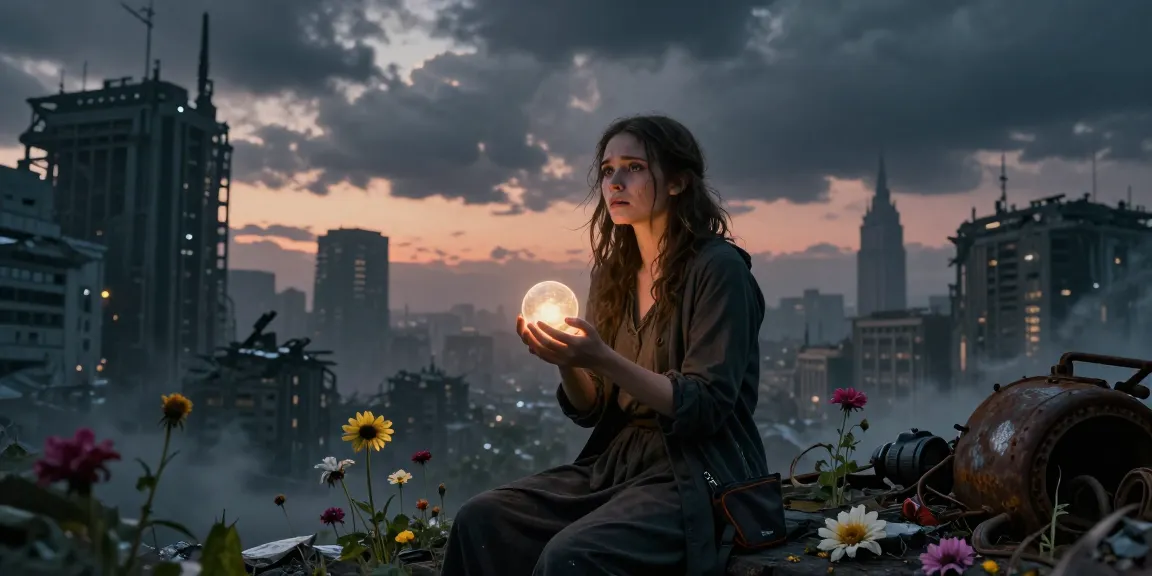
Understanding the Dystopian Fiction Landscape
Dystopian fiction captivates readers by exploring bleak futures that reflect our society’s fears and challenges. At the intersection of this genre lies the emotional complexity of forbidden love, which often serves as a poignant counterpoint to the oppressive environments in which characters find themselves. As we delve into the world of dystopian narratives, we will uncover how the interplay between emotional awakening and societal constraints creates a rich tapestry of storytelling. For those intrigued by these themes, dystopian fiction forbidden love emotional awaken offers a profound exploration of characters’ journeys through repression and emotional discovery.
What Defines Dystopian Fiction?
Dystopian fiction is characterized by its portrayal of societies plagued by systemic control, environmental collapse, and ethical dilemmas. These narratives often take place in a world that has made drastic choices in pursuit of a perceived ‘greater good’, frequently at the expense of individual freedoms and emotional well-being. The genre invites readers to confront the possible consequences of societal decisions, making it an essential mirror for contemporary issues.
Key Themes in Dystopian Narratives
- Surveillance and Control: Governments or powerful entities monitor and dictate individual behavior, creating a sense of paranoia and helplessness.
- Environmental Decay: Many dystopian worlds depict the aftermath of environmental neglect, leading to scarcity and survival struggles.
- Loss of Individuality: Characters often grapple with a loss of personal identity, as societal norms dictate their actions and feelings.
- Rebellion and Resistance: The driving force behind many dystopian tales is the inherent desire for freedom, often illustrated through acts of rebellion against oppressive structures.
Popular Dystopian Works of 2026
The landscape of dystopian fiction continues to evolve, with new works addressing current societal fears. Titles like “The Emotion Collector: Awakening” by Richard French and others are gaining traction, blending traditional elements with fresh themes. Readers can expect stories that not only entertain but also challenge their perspectives on love, identity, and morality in a dystopian context.
The Role of Forbidden Love in Dystopian Settings
In the realm of dystopian fiction, forbidden love serves as a powerful narrative device, enhancing emotional stakes and connecting readers to characters in profound ways. This theme often emerges in settings where societal structures seek to suppress or control human emotions, making love a subversive act.
Forbidden Love as a Narrative Device
Forbidden love often emerges when societal norms explicitly prohibit emotional connections. This dynamic heightens tension, as lovers face not only personal but systemic obstacles. In “The Emotion Collector: Awakening,” the protagonist Emma Thorne’s journey illustrates how an act of love can challenge an oppressive regime and lead to broader emotional awakenings, both personally and environmentally.
Character Development through Romantic Stakes
Romantic tensions in dystopian narratives propel character development, allowing protagonists to confront their beliefs and motivations. The choices they make in pursuit of love often reveal their true selves, leading to transformative emotional awakenings. Characters like Emma Thorne exemplify this struggle as they navigate loyalty, betrayal, and the quest for authenticity in a world that demands conformity.
Comparing Forbidden Love in Dystopian vs. Traditional Romance
While traditional romance often thrives on the backdrop of societal acceptance, forbidden love within dystopian fiction takes on a darker hue. It emphasizes the risks associated with love in oppressive environments, revealing deeper layers of sacrifice and resilience. Comparatively, it invites readers to ponder the cost of emotional connections in a world where such feelings are dangerous.
The Emotional Awakening Journey of Characters
Emotional awakenings are central to the character arcs in many dystopian novels. These moments signify breaking free from the shackles of repression, illustrated through transformative experiences that reconnect characters with their deepest feelings.
Key Moments of Emotional Awakening
In “The Emotion Collector: Awakening,” Emma’s realization that her role as a Collector has far-reaching implications not just for her but for the entire planet exemplifies a pivotal moment of emotional awakening. The discovery of her own capacity to feel love challenges her previous understanding of self-worth and defines her trajectory as a rebel against the Council’s tyranny.
Impact on Plot and Character Arcs
As characters experience emotional awakenings, these moments serve as crucial turning points that impact their decisions and relationships. Such awakenings often incite rebellion against oppressive systems, reinforcing the notion that love can be a catalyst for change. Emma’s journey not only shapes her own destiny but also influences her peers to explore their emotional landscapes, fostering a collective movement toward freedom.
How Emotional Awakening Reflects Societal Issues
On a broader scale, emotional awakenings in dystopian fiction mirror real-world struggles against societal norms that suppress individuality and emotional expression. These narratives encourage readers to reflect on their own lives and the importance of emotional authenticity in the face of societal pressures. The stakes for characters echo the stakes for individuals in our world, reminding us that emotional repression can lead to profound societal harm.
Reader Reactions and Cultural Impact
The thematic complexities of emotional suppression and forbidden love within dystopian fiction resonate strongly with readers, often prompting discussions about their applicability to contemporary society. As audiences engage with these narratives, they reflect on their experiences, drawing parallels between fiction and reality.
What Readers Are Saying about Emotional Suppression
Feedback from readers reveals a deep connection with the themes of emotional suppression presented in works like “The Emotion Collector: Awakening.” Many express a longing for authentic emotional expression and the desire to challenge societal constraints that dictate their feelings. This communal response suggests that these stories fulfill a need for both escapism and introspection.
Community and Society’s Response to Dystopian Romance
The intersection of romantic dynamics and dystopian settings has spurred active communities, sparking conversations about love, freedom, and resistance. Fans often engage through social platforms, sharing recommendations, analyses, and personal interpretations, creating a vibrant dialogue around the emotional layers of these narratives.
Influence on Contemporary Culture and Literature
Dystopian fiction continues to influence contemporary literature and media, infusing themes of rebellion, emotional depth, and political critique into various storytelling forms. The exploration of emotional awakenings sets the stage for future works, as new authors tackle the complexities of love within oppressive frameworks.
Future Trends in Dystopian Fiction for 2026
As we move further into 2026, the landscape of dystopian fiction is poised to evolve, reflecting ongoing societal changes and reader preferences. Emerging authors are likely to tackle innovative narratives that push the boundaries of genre expectations.
Emerging Themes and Genres
New themes are expected to surface, including societal resilience in the face of adversity and alternative approaches to emotional connections that challenge traditional norms. The blending of genres—such as incorporating elements of fantasy or magical realism—could also reshape the narratives within dystopian settings.
Shifts in Reader Preferences
Readers are increasingly seeking narratives that resonate with personal experiences of emotional turmoil and societal challenges. As the world undergoes change, the demand for stories that reflect these realities—particularly those involving emotional awakenings and forbidden love—will likely grow.
Predictions: Where is Dystopian Fiction Headed?
Looking ahead, we can anticipate a continued blending of ethical dilemmas with emotional exploration in dystopian fiction. Authors will push boundaries to create narratives that not only entertain but also provoke thought, encouraging readers to engage critically with the world around them. Expect deeper character studies that highlight emotional stakes, as well as narratives that challenge the status quo through acts of love and rebellion.
What makes emotional awakening significant in literature?
Emotional awakening is a vital component of character development, serving as a gateway for protagonists to confront their struggles and desires. It facilitates personal growth and often acts as a catalyst for movement toward broader societal change.
How does forbidden love change character dynamics?
Forbidden love alters character dynamics by introducing interpersonal conflict, heightening emotional stakes, and prompting characters to weigh their desires against societal norms. This tension often drives the narrative forward, leading to transformative experiences.
What are the top dystopian novels to read in 2026?
As interest continues to grow, readers should explore upcoming titles that incorporate emotional awakenings and themes of forbidden love. Works like “The Emotion Collector: Awakening” will lead the charge, embodying the essence of contemporary dystopian storytelling.
How do authors balance romance with societal critique?
Authors of dystopian fiction balance romance and societal critique by intertwining personal stakes with broader themes of rebellion and conformity. By placing characters in oppressive environments, they illustrate the transformative power of love against societal constraints.
What can readers learn from dystopian love stories?
Ultimately, readers can learn the importance of emotional resilience and the necessity of love as a form of rebellion in the face of societal oppression. Dystopian love stories offer a reflective lens through which one can examine personal beliefs and the pursuit of emotional freedom.